
How Long Should Your Water Heater Last in New Jersey?
A water heater is one of the most essential—and most overlooked—appliances in your New Jersey home. It provides hot water for showers, laundry, dishes, and cleaning, running silently in your basement or utility closet day after day. Yet most homeowners never think about their water heater until it suddenly fails on a freezing winter morning. Understanding how long your water heater should last and what extends its lifespan can save you thousands in unexpected replacement costs.
Traditional tank water heaters typically last between 8 to 12 years, with some units reaching up to 15 years with diligent maintenance. Tankless water heaters generally last between 15 and 20 years. Indirect water heaters using your home’s boiler can last 15–20 years, while solar water heaters can last 15–25 years depending on component quality and climate conditions.
But here’s the reality: most manufacturers design water heater systems with a 10-year service life in mind, which is why many warranties are written for exactly that period. After 10 years, you’re essentially on borrowed time, even if the unit continues to function.
The good news? Proper care is the single best way to prolong any water heater. With the right maintenance strategy, you can extend your water heater’s life by 3 to 5 additional years and delay expensive replacement.
Why New Jersey’s Hard Water Challenges Your Water Heater Lifespan
New Jersey homeowners face a unique challenge that accelerates water heater aging: hard water. New Jersey’s hard water contains high levels of minerals like calcium and magnesium that often lead to sediment buildup within water heaters. This accumulation reduces efficiency and can damage the unit over time.
The impact is severe. Monmouth County’s hard water contains elevated calcium and magnesium minerals that precipitate out during heating, forming sediment layers at the bottom of your water heater tank. This scale buildup acts as insulation between the heating element and water, forcing your system to work harder and longer to reach target temperatures. Without intervention, sediment shortens lifespan from 12-15 years to just 6-8 years while driving up energy bills and increasing failure risk.
Unlike homeowners in soft-water regions, New Jersey residents cannot ignore water heater maintenance. Due to local water conditions, most traditional tank water heaters in Northern NJ last between 8 and 12 years. Tankless models can last 20+ years but require annual descaling to maintain their efficiency and warranty.
This is why the approach to extending your water heater’s lifespan in New Jersey differs from the national average. You must be more aggressive and proactive.
The 7 Expert Tips to Maximize Your Water Heater Lifespan
1. Flush Your Tank Annually—Your Water Heater’s Most Critical Maintenance Task
Sediment naturally settles in a storage tank and must be flushed annually to extend lifespan. For New Jersey homeowners with hard water, this isn’t optional—it’s essential.
Annual flushing removes accumulated sediment before it causes permanent damage. Schedule this maintenance task in early fall before winter heating demands increase. When sediment isn’t removed, it hardens and creates multiple problems: mineral deposits clog drain valves, corrode tank interiors, generate rumbling noises as steam bubbles escape, and eventually harden into a concrete-like mass requiring professional removal or complete tank replacement.
Flushing your water heater annually costs $100–$200 and removes sediment buildup, extending lifespan by 2-3 years. This is perhaps the single highest-ROI maintenance investment you can make.
2. Check and Replace the Anode Rod Every 3-5 Years
The anode rod is your water heater tank’s hidden protector. This sacrificial rod attracts corrosive minerals in the water, preventing those minerals from attacking your tank walls directly. Over time, the anode rod deteriorates and must be replaced.
Replace your water heater’s anode rod every 3-5 years to double the unit’s lifespan. A worn anode rod is one of the primary reasons water heaters fail prematurely. Inspect it every two to three years and replace it when necessary.
Anode rod replacement costs $150–$250 and prevents rust, adding years of life to your tank. Professional inspection during your annual service appointment can identify whether replacement is needed.
3. Lower Your Water Heater Temperature to 120°F
One of the easiest ways to extend your water heater’s lifespan is adjusting the thermostat—a task that takes 30 seconds and costs nothing.
Reducing your water heater’s temperature to 120°F instead of the standard 140°F can save energy, reduce wear on the heating elements, and increase longevity. Higher temperatures cause faster corrosion of internal components, reduce tank lifespan, and waste energy heating water hotter than needed.
120°F is sufficient for all household activities including bathing, laundry, and dishwashing. It also provides safety benefits: your family is protected from accidental scalding, and reduced temperature slows bacterial growth in the tank.
4. Insulate Your Tank and Pipes to Reduce Heat Loss
Insulation reduces strain on your water heater by maintaining water temperature longer, meaning your system doesn’t have to work as hard or as often.
Insulating your tank costs just $20–$50 in materials and saves energy costs. This small investment provides triple benefits: reduced energy consumption (lower utility bills), extended system lifespan (less operational stress), and faster hot water delivery (insulated pipes deliver hot water faster to your faucets).
For New Jersey homeowners, insulation is especially valuable during cold winters when demand for hot water increases significantly. Proper insulation prevents heat from dissipating into unheated basement spaces.
5. Schedule Annual Professional Inspections—Your Early Warning System
Annual inspections allow experts to spot early signs of trouble—like worn-out parts or leaks—before they leave you without hot water. Routine maintenance, like flushing sediment and checking the anode rod, can extend your unit’s lifespan significantly.
Professional annual inspections typically include:
- Visual assessment for signs of leaks, rust, or general wear
- Testing the temperature and pressure relief valve (T&P) for safety
- Inspecting the anode rod condition
- Examining heating elements or burner assembly for performance issues
- Checking for sediment buildup and flushing if necessary
- Thermostat calibration to maintain consistent water temperatures
Most manufacturers require annual maintenance to keep the warranty valid. Skipping your inspection might leave you uncovered when something goes wrong, even within the warranty period. Warranty coverage often depends on documented maintenance history.
6. Install a Water Softener for Hard Water Areas
Consider a water softener in areas with hard water to reduce mineral accumulation, which benefits not only your water heater but other household appliances as well. A water softener addresses the root problem of New Jersey’s hard water challenge.
While a water softener requires upfront investment ($1,000-$3,000 for quality units), it provides long-term benefits throughout your home: extended water heater lifespan, reduced sediment flushing frequency, improved water quality, reduced energy consumption, and extended life of other water-dependent appliances (dishwasher, washing machine, etc.).
7. Monitor Water Temperature and Pressure Relief Valve Annually
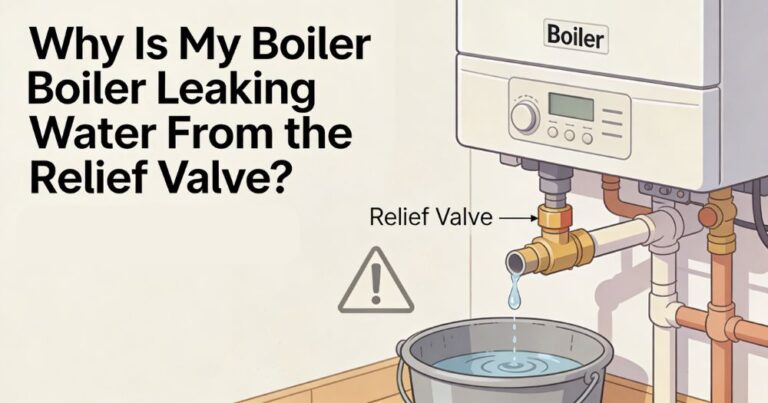
Your water heater’s temperature and pressure relief valve (T&P valve) is a critical safety device. Testing the temperature and pressure relief valve for safety assurance is a key component of professional inspections.
You can perform a basic visual check monthly: look for any water pooling around the valve or visible corrosion. If the valve is leaking or corroded, call a professional immediately. A malfunctioning T&P valve can indicate excessive tank pressure, which accelerates corrosion and tank failure.
Critical Warning Signs Your Water Heater Is Nearing End of Life
Even with excellent maintenance, water heaters eventually age out. Recognizing warning signs early allows you to plan replacement before catastrophic failure:
Age Over 10 Years
Once a tank heater reaches about 10 years old (or its warranty period), its chance of failure rises significantly. Proactively replacing at this age can avoid a cold-water surprise. Once your water heater reaches 10 years old, you should start seriously monitoring its condition and planning for replacement.
Rusty or Discolored Hot Water
Brown, orange, or reddish-tinted hot water indicates internal tank corrosion. Never ignore rusty water or rusty streaks at the base of the heater. Those are red flags that the tank wall could be thinning.
Leaking or Visible Corrosion
Water pooling around the base of the tank or visible rust on the exterior indicates the tank’s protective coating is failing. A properly installed unit in a well-ventilated area will outlast one that was hastily set up. Leaks only get worse and can cause significant water damage to your home.
Rumbling, Banging, or Popping Noises
These sounds indicate sediment buildup at the bottom of the tank. Steam bubbles rising through the sediment layer create the noise. While not an immediate emergency, persistent rumbling signals significant sediment accumulation and declining efficiency.
Reduced Hot Water Supply or Longer Recovery Time
If your hot water runs out faster than it used to, or if recovery time between hot showers is noticeably longer, sediment and corrosion are reducing tank capacity and heating efficiency.
The Financial Reality: Preventive Maintenance vs. Emergency Replacement
Let’s talk about cost. The cost of emergency labor and materials has risen, making a $200 preventative service far more economical than a $5,000 midnight emergency repair.
Here’s what you’re looking at financially:
Annual Preventive Maintenance Schedule:
- Annual professional inspection: $100-$200
- Annual tank flushing: $100-$200
- Anode rod replacement (every 3-5 years): ~$50-$250 per replacement
- Tank insulation materials: $20-$50 (one-time)
- Total annual cost: ~$200-$400
Emergency Replacement Scenario:
New Jersey homeowners typically pay $1,200 to $4,500 when accounting for both parts and professional installation labor for water heater replacement. Emergency replacement also includes service call fees, potential water damage restoration, and the inconvenience of no hot water.
The math is simple: spending $200-$400 annually on maintenance vs. $1,200-$4,500+ on emergency replacement. Preventive maintenance pays for itself in less than one year.
Tank vs. Tankless: Which System Maximizes Lifespan in New Jersey?
Tankless systems are designed to last 20 years or more with proper maintenance, such as annual descaling. In contrast, standard tank water heaters typically last 8 to 12 years before the tank corrodes and risks leaking.
However, tankless systems require consistent professional maintenance. These units use a heat exchanger that must be professionally cleaned once a year to remove scale and mineral buildup, especially in homes with hard water. Skipping this annual service can shorten the life of a tankless water heater and lead to expensive repairs, which is why many plumbers recommend budgeting for yearly maintenance as part of the overall ownership cost. At Doctor Water Heater, this professional annual cleaning and maintenance for a tankless unit typically costs about $299 per year in New Jersey.
In New Jersey’s hard water environment, tankless systems offer longer lifespan potential—but only if you maintain them religiously. For homeowners who skip maintenance, a traditional tank might outlast a neglected tankless system.
Why Professional Service Matters: Doctor Water Heater’s Approach
When it comes to water heater maintenance, not just anyone will do. Hiring a general plumber might get the job done, but trusting a dedicated specialist like Doctor Water Heater means you’re getting expert-level care tailored to your unit. Unlike generalists, Doctor Water Heater exclusively deals with water heaters—traditional, tankless, gas, or electric.
Doctor Water Heater understands the unique water quality challenges in New Jersey, particularly the impact of hard water on water heaters. This expertise allows them to provide solutions tailored to protect your system against local water conditions.
Cold shower emergencies don’t wait. Doctor Water Heater offers same-day appointments, flexible scheduling, and quick service—so you’re never stuck in the cold for long. With glowing 5-star reviews and a loyal customer base across the state, Doctor Water Heater has built a name for dependable, professional, and friendly service.
Your Water Heater Maintenance Checklist for 2026
Monthly:
- Listen for unusual noises (banging, popping, rumbling)
- Check for visible leaks around the base and connections
- Feel the pipe near the tank—it should be hot, not scalding
Quarterly:
- Test hot water flow from multiple fixtures
- Check basement humidity levels (excess humidity accelerates corrosion)
Annually (Fall, Before Winter Heating Demands):
- Schedule professional inspection and tank flushing ($200-$300)
- Have anode rod condition assessed
- Verify temperature is set to 120°F
- Check insulation on tank and pipes
Every 3-5 Years:
- Replace anode rod if inspection shows wear ($150-$250)
- Consider water softener evaluation if you haven’t already
At 10 Years:
- Get a detailed professional assessment
- Start researching replacement options (if needed)
- Plan budget for potential replacement
The Long-Term Payoff: Peace of Mind and Hot Water Reliability
Maximizing your water heater’s lifespan in New Jersey is fundamentally about financial wisdom and home comfort. By investing $200-$400 annually in preventive maintenance, you avoid $4,000+ emergency replacements, prevent water damage to your home, ensure reliable hot water during cold winters, and extend your system’s life by 3-5 years.
Data from recent years shows that homes with documented maintenance histories retain 15-20% higher resale value in the competitive NJ real estate market. Beyond immediate cost savings, your maintenance documentation increases your home’s value when you eventually sell.
Your water heater may be hidden from view, but its impact on your daily comfort is undeniable. With the expert tips in this guide and professional support from Doctor Water Heater, you can ensure your system serves your family reliably for years to come.
Ready to Maximize Your Water Heater’s Lifespan? Schedule Your Annual Inspection Today
Don’t wait for a cold shower or burst tank to take action. Schedule your annual water heater inspection with Doctor Water Heater and get professional guidance on extending your system’s lifespan.
Call Now: 1(800) 275-8433
Request Your Free Inspection Quote Online
Why Choose Doctor Water Heater:
- Nearly 40 years of water heater expertise serving New Jersey families
- Certified technicians specializing exclusively in water heater service
- Same-day appointments and 24/7 emergency service
- Transparent pricing with no hidden fees
- Licensed & Insured across all New Jersey counties
- All work backed by manufacturer warranties and our satisfaction guarantee
Serving Bergen County, Morris County, Essex County, Passaic County, and All of North Jersey
Doctor Water Heater | Denville, NJ | 1(800) 275-8433 | 24/7 Emergency Service