
When buying, renovating, or updating fixtures in your New Jersey home, plumbing often takes center stage. But there’s one critical question most homeowners forget to ask: Is my plumbing code-compliant?
Plumbing codes aren’t just bureaucratic requirements—they’re safety nets designed to ensure clean water, proper drainage, system efficiency, and long-term reliability. When plumbing falls short of code requirements, homeowners face expensive repairs, failed home inspections, health risks, and potential legal liability. Understanding why plumbing code compliance matters and what violations look like can save you thousands in repairs and protect your family’s safety.
This guide explains why plumbing codes are critical in New Jersey, the most common code violations homeowners face, how to know if your plumbing is code-compliant, and why professional inspection is essential.
Why Plumbing Code Compliance Matters in New Jersey
Plumbing codes exist for good reasons, and ensuring your system is code-compliant brings multiple important benefits:
Health & Safety Protection – Proper plumbing codes prevent contamination of your drinking water supply and keep dangerous sewer gases out of your home. Non-compliant plumbing creates health hazards that can affect your entire family.
Energy and Water Efficiency – Code-compliant systems are designed to conserve water and energy, helping lower monthly utility bills. Violations often waste thousands of gallons of water every year.
Home Resale Value – When selling your home, inspectors check plumbing code compliance. Non-compliant systems cause failed inspections, stalled negotiations, and reduced property value.
Insurance Protection – If plumbing issues cause damage, insurance claims may be denied if code violations are discovered. Compliance keeps your coverage intact.
Legal Compliance – New Jersey requires plumbing to meet code standards. Non-compliant or unpermitted work can result in fines, penalties, and mandatory repairs.
For New Jersey homeowners, plumbing code compliance is both a legal requirement and a vital layer of protection for your investment and peace of mind.
Common Plumbing Code Violations in New Jersey Homes
Outdated Pipes and Materials
Old galvanized steel pipes and lead pipes—still found in many older New Jersey homes—do not meet modern plumbing code standards. Lead pipes pose serious health risks by contaminating drinking water, while galvanized pipes corrode internally, reducing water flow and causing discoloration.
Modern plumbing codes require safer materials such as copper, PVC, or other approved alternatives. Homes built before 1986 are especially likely to have lead pipes, which are not code-compliant and must be replaced.
Poor or Missing Venting
Proper venting allows sewer gases to safely exit through roof vents instead of backing up into your home. Missing or inadequate venting violates plumbing code and can create serious indoor air quality and health issues.
This problem is common in older homes or DIY plumbing projects where venting requirements were misunderstood or ignored.
Incorrect Pipe Sizes
Plumbing codes specify exact pipe sizes based on water demand and fixture load. Undersized pipes cause low water pressure and poor drainage, while oversized pipes waste water and energy. Correct sizing ensures efficient and reliable system performance.
Non-Compliant Water Heater Installation
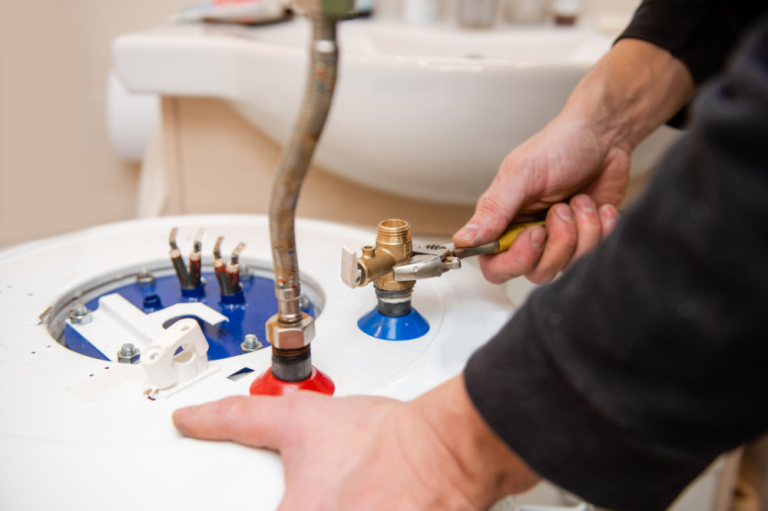
Water heaters must meet strict plumbing code standards. Common violations include improper venting, missing or faulty pressure relief valves, inadequate expansion tanks, and incorrect clearance from combustible materials.
Improper water heater installation is one of the most dangerous code violations and can create serious fire or explosion hazards.
Hazardous Cross-Connections
Cross-connections occur when clean drinking water connects to waste lines or non-potable water systems. These connections create severe contamination risks. Plumbing code strictly regulates backflow prevention devices to protect water quality.
Unpermitted DIY Plumbing Work
DIY plumbing work done without permits frequently violates code requirements. These installations often fail inspections and end up costing far more to correct than hiring a licensed professional from the start.
How to Know If Your Plumbing Is Code-Compliant
Check your permits. Major plumbing work should have permits on file with your local municipality. Missing permits usually indicate non-compliant work.
Watch for warning signs. Slow drains, low water pressure, discolored water, sewer odors, or frequent repairs often signal code violations.
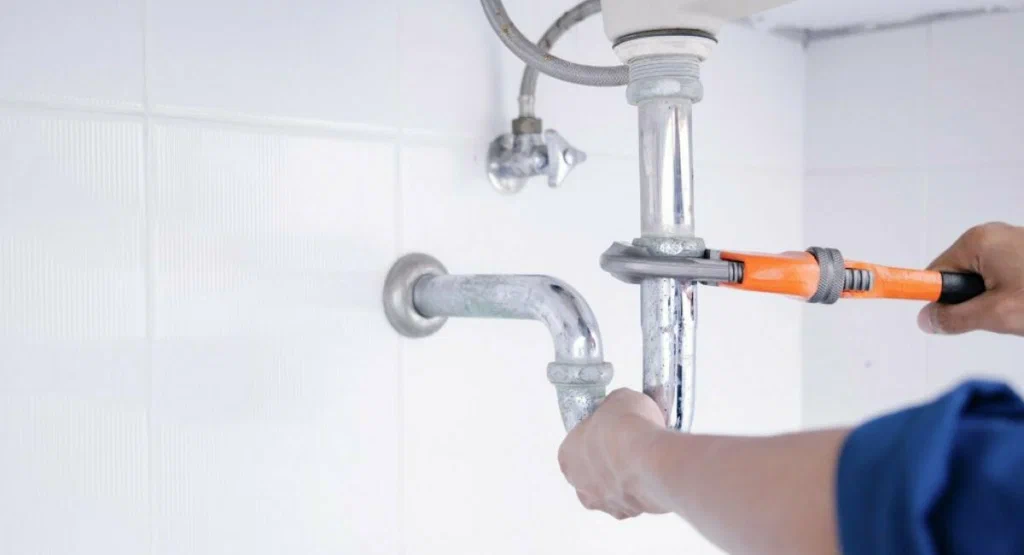
Inspect visible pipes. Exposed pipes in basements or crawl spaces can reveal outdated materials. Galvanized steel pipes appear silver-gray and often show corrosion. Lead pipes are dull gray and soft.
Schedule a professional inspection. The most reliable way to confirm compliance is a full inspection by a licensed plumber familiar with current New Jersey plumbing codes.
Risks of Ignoring Plumbing Code Non-Compliance
Costly emergency repairs – Code violations often lead to pipe bursts, leaks, or water heater failures requiring expensive emergency service.
Failed home inspections and lost sales – Buyers’ inspectors catch violations, forcing costly repairs or reduced asking prices.
Serious health risks – Lead contamination, sewer gas exposure, and backflow issues put your family’s health at risk.
Fines and penalties – Municipal enforcement can result in fines and mandatory compliance upgrades.
Denied insurance claims – Insurance companies may deny claims related to plumbing failures caused by code violations.
Why Professional Inspection Is Critical
Licensed New Jersey plumbers understand current plumbing code requirements and stay updated as standards evolve. Only professionals can:
- Identify hidden code violations inside walls, floors, and underground
- Ensure compliance with current New Jersey plumbing codes
- Perform comprehensive system inspections
- Provide permits and documentation for insurance and resale
- Upgrade outdated systems to full code compliance
Why New Jersey Homeowners Trust Doctor Water Heater for Plumbing Code Compliance
When plumbing code compliance is a concern in Denville, Randolph, Wayne, Mountain Lakes, Livingston, Montville, or anywhere in New Jersey, homeowners rely on Doctor Water Heater.
- Deep knowledge of New Jersey plumbing codes – With over 35 years of experience, the team stays current with every code update.
- Comprehensive inspections – Every system is thoroughly evaluated, and all violations are clearly explained.
- Licensed expertise across all plumbing systems – From pipes and fixtures to water heaters and venting.
- Advanced diagnostic tools – Hidden violations are detected without unnecessary damage.
- Transparent pricing and documentation – Clear costs, proper permits, and full compliance records.
- Emergency availability – Immediate help when safety hazards arise.
Ensure Your New Jersey Home Is Plumbing Code-Compliant Today
Plumbing code compliance isn’t optional—it’s essential for protecting your health, safety, and property value. Whether your home has aging systems or recent plumbing updates, professional inspection ensures everything meets current New Jersey standards.
Don’t guess about code compliance. Contact Doctor Water Heater for a complete plumbing inspection and expert guidance.
Call Doctor Water Heater at 1-800-275-8433 for plumbing code compliance inspections and upgrades in Denville, Randolph, Wayne, Mountain Lakes, Livingston, Montville, and throughout New Jersey. Protect your home and your investment today.