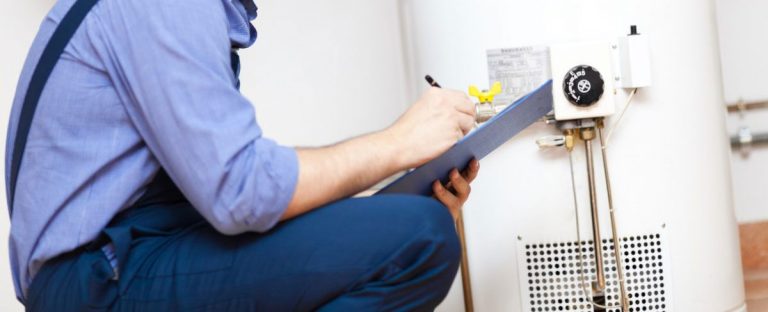

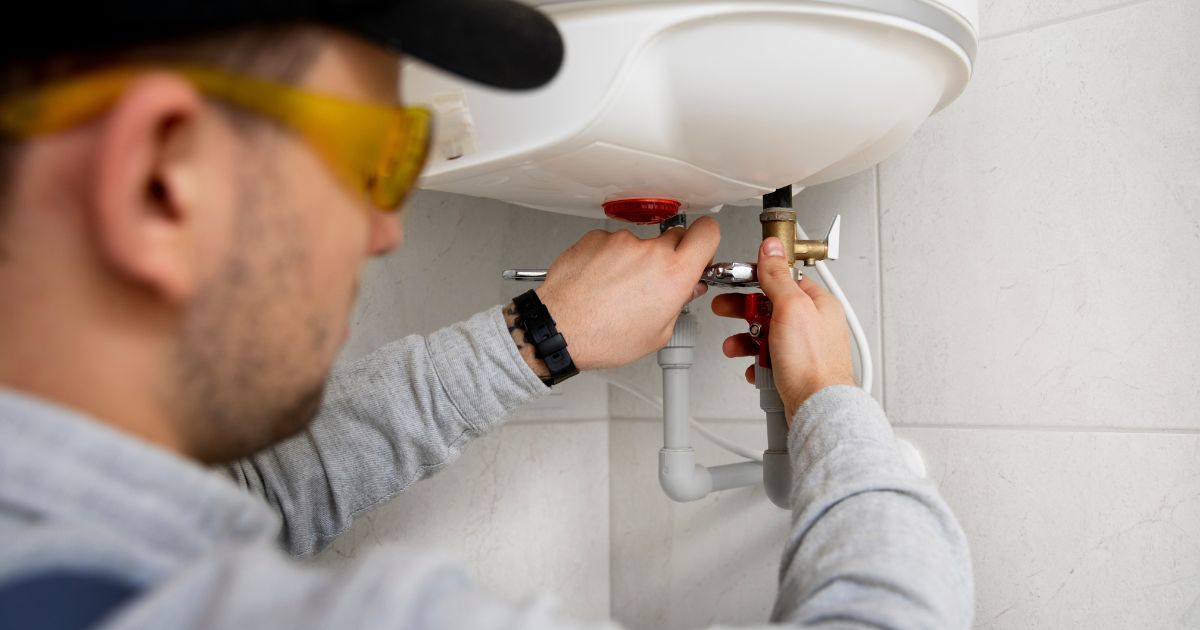
Let’s cut to the chase. The question running through your head right now is probably something like: “Can I save a few hundred bucks and handle this myself?” The honest answer is yes, you technically can—but whether you should is a completely different conversation.
Think of it like fixing your car. You might have YouTube and the right tools, but one wrong move could cost you thousands. Water heater replacement isn’t quite that risky, but it’s closer than most homeowners realize. Let me explain what you’re actually getting into, and why most people should just call a professional.
The Reality: What You’re Signing Up For
If you’re seriously considering a DIY water heater replacement, you need to understand exactly what that entails. This isn’t just unscrewing a few bolts and walking away. You’re dealing with high-temperature water, pressurized systems, natural gas lines, or 240-volt electrical work—depending on what you have. Some of these things can literally kill you if done wrong.
Let’s talk about what actually happens during a water heater replacement so you can make an informed decision about whether this is really your project.
You’ll need to shut off water and gas supplies, drain 40-50 gallons of hot water (which takes time and creates a mess), disconnect gas lines and test them for leaks, or disconnect electrical wiring properly. You’ll need to remove an 80-150 pound tank that’s probably corroded and stuck in place. Then you’ll install the new unit, which means reconnecting water lines, possibly soldering copper pipe, reconnecting gas with proper fittings and pressure testing, or rewiring electrical connections. Finally, you’ll need to fill the tank, verify it works, check for leaks, and test the pressure relief valve.
All of this requires specific tools and knowledge. Do you own a pipe wrench, a propane torch, a gas leak detector, a pressure gauge, and solder equipment? Most homeowners don’t. Even if you borrowed or bought them, do you know how to use them properly? There’s a significant difference between knowing what a tool is and knowing how to use it correctly.
Why This Matters: The Hidden Costs of DIY
Here’s where DIY water heater replacement gets expensive—just not necessarily in the way you think.
The biggest issue is your warranty. Almost every water heater manufacturer explicitly states in their warranty terms: “This warranty is only valid if the unit was installed by a licensed professional.” Not installed by a qualified DIYer. Not installed by someone who watched a YouTube video. A licensed professional. The moment you install it yourself, that warranty disappears. On a $1,000–$2,000 unit, losing a 5–10 year parts warranty isn’t a small thing.
Then there’s the permit situation. Most municipalities require a permit for water heater replacement and mandate that a licensed plumber performs the work. Yes, you can skip the permit and hope nobody notices. But here’s what happens when you don’t: your homeowner’s insurance might not cover water damage from an unpermitted installation. If your unvetted water heater connection fails and floods your basement, you’re looking at an $8,000–$15,000 claim that your insurance denies because the work wasn’t permitted. The permit usually costs about $75–$150. That’s an expensive gamble.
Beyond that, there’s the liability question. If something goes wrong with your DIY installation and it causes property damage or, worse, hurts someone, you’re liable. A professional plumber carries liability insurance specifically for situations like this. You don’t (or rather, your homeowner’s insurance probably excludes work you did yourself as a contractor).
The Real Safety Problem Nobody Talks About
Let’s get serious for a moment. Carbon monoxide poisoning kills 400 Americans every year, and a significant portion of those cases involve improperly installed heating appliances. I’m not trying to scare you unnecessarily—but this is real.
If you’re replacing a gas water heater, improper gas line connections, wrong venting, or incomplete pressure testing can create a carbon monoxide hazard in your home. Carbon monoxide is invisible, odorless, and kills silently. Your family could be exposed for weeks before anyone realizes something is wrong. By then, the damage is done.
For electric water heaters, you’re dealing with 240-volt electrical work. That’s enough to deliver a fatal shock if you make a mistake. It’s also enough to cause an electrical fire if you don’t wire it correctly. And if you botch the grounding, you’ve created an ongoing electrical hazard that won’t be obvious until something terrible happens.
Even the “simple” water connection issues matter. Improper drainage, incorrect relief valve installation, or failing solder joints can cause slow leaks that lead to mold growth, structural damage, and health problems that might not show up for months or years.
A licensed plumber has training, experience, and insurance to handle these hazards. You probably don’t.
When DIY Might Actually Be Possible
I’m not saying it’s impossible for anyone to do this themselves. Some people absolutely can handle it. But you need to be honest about your skill level.
If you’ve done significant plumbing work before (not just fixing a leaky faucet, but actual plumbing), you understand how to use tools like a pipe wrench and propane torch, you’ve successfully soldered copper pipe before, you know where your gas and water shutoff valves are, you understand your local building codes, and you’re comfortable with electrical troubleshooting, then maybe you could pull this off. Even then, you’re accepting the warranty loss and the liability exposure.
But here’s the thing—if you’re reading this article trying to figure out whether to DIY it, you probably fall into the category of homeowners who shouldn’t. If you had the experience and knowledge to do this properly, you’d already know it. You wouldn’t need to Google it.
There’s one middle ground that’s actually reasonable: hiring a plumber to do the work, then having another licensed plumber do a quick inspection before you use it. That costs maybe $150–$200 for the inspection but gives you the peace of mind that everything is done right. It also ensures you get the warranty protection you’re entitled to.
What You’re Actually Paying For When You Hire a Professional
When you call a licensed plumber to replace your water heater, you’re not just paying $600–$900 for labor in New Jersey (or roughly $400–$700 in many parts of the U.S.). You’re paying for a lot of things that have real value.
First, you’re paying for expertise. A professional plumber knows exactly how to identify complications before they become disasters. They know the local building codes in your area. They know which venting materials are approved, how gas lines need to be sized, where the relief valve needs to be positioned, and what the inspector is going to look for when they show up. That knowledge prevents costly mistakes.
Second, you’re paying for the right equipment and tools. A professional plumber already owns pressure testing equipment, gas leak detectors, drain pans, and specialized wrenches. You don’t. Buying or renting all of that adds up fast and assumes you know how to use them correctly.
Third, you’re paying for permits and inspections to be handled properly. The plumber applies for the permit, coordinates with the municipality, ensures the work passes inspection, and provides you with the documentation proving everything was done to code. If you skip this, you’re creating future liability for yourself and potentially complicating a home sale down the road.
Fourth, and this is significant, you’re protecting your warranty. The 5–10 year tank warranty and the parts warranty only exist if the work was done by a licensed professional. That’s thousands of dollars of protection that disappears if you DIY it.
Fifth, you have insurance. The plumber’s liability insurance covers the work they perform. If something goes wrong, their insurance covers it. If you do it yourself, you’re personally liable.
Finally, you’re paying for time. A professional completes the job in 2–4 hours (for a standard tank). You’d be spending 8–12 hours and potentially dealing with complications that turn a Saturday project into a disaster. Your time has value.
When you add all of that up, the extra few hundred dollars you’d save by DIYing it starts to look pretty small compared to what you’re gaining by hiring a professional.
The Real Cost Comparison
Let’s actually do the math on DIY versus professional so you can see how this works out.
If you decide to DIY a gas tank water heater and you already own most of the tools, you’re looking at a $500 water heater unit, maybe $100–$150 in fittings and solder, and a $75–$150 permit. That’s about $700 out of pocket, plus your time. If you value your time at even $30 an hour (which is below the prevailing wage for plumbers), eight hours of work is $240, bringing you to $940 total. But remember, you’ve lost your warranty ($500–$1,000 value), you’ve taken on liability exposure, and you’ve spent your entire Saturday on this project.
Now compare that to hiring a professional. The same water heater costs $500. Professional installation labor is $700. The permit and inspection is $150. That’s $1,350 total. You’re paying maybe $400–$450 more, but you’re getting warranty protection, insurance coverage, code compliance verification, and guarantees. Plus you’re not spending your Saturday troubleshooting gas connections.
The $400 premium doesn’t seem unreasonable when you realize what it’s protecting you from.
Common Complications That Blow Up DIY Projects
About 30% of water heater replacements hit some kind of complication, and when they do, DIY projects usually fall apart. The old shutoff valve corrodes and won’t close, requiring special tools and techniques to fix. The gas line sizing is inadequate for the new unit, meaning you need to run new line work. The venting pathway in your attic has obstacles, and you need to reroute everything. Your soldering joints fail because you didn’t get them hot enough. The pressure testing reveals gas leaks that need professional tracking down.
When a professional hits these complications, they know how to handle them. They have the tools, the knowledge, and the experience to solve problems on the fly. When a DIYer hits them, they usually panic, call an emergency plumber anyway (which costs 25–50% more than a standard appointment), or worse, just leave a dangerous system installed.
Does a Plumber Replace a Water Heater? Yes—That’s Their Job
This is worth stating clearly: yes, a licensed plumber handles water heater replacement. This is a standard service that every plumber offers. They handle permits, inspections, disposal of the old unit, installation to code, testing, and warranty documentation. It’s what they do all day, every day.
When you hire a professional, you’re not doing anything unusual or excessive. You’re hiring someone to do their job competently, with all the proper credentials and insurance. This is the standard in the industry, and there’s a reason it’s standard—it works, it’s safe, and it’s right.
What Happens If You Skip the Permit
Let’s talk about this because it’s tempting to think you can just avoid the permit process entirely. You can’t—or rather, you can, but the consequences are real.
Most homeowners skip permits because they don’t want to deal with the paperwork or the cost (which is usually $75–$200). Here’s what skipping a permit actually costs you. Your homeowner’s insurance might not cover water damage from unpermitted work. A home inspector during a future sale will note the unpermitted work. The municipality could fine you. But mostly, you’re taking on personal liability if something goes wrong.
There’s a real scenario here: homeowner DIYs a water heater without a permit. Three years later, a water line connection fails slowly, creating a leak that causes mold growth and structural damage. The insurance claim gets denied because the work wasn’t permitted. The homeowner is looking at $8,000–$15,000 in repairs, all of which could have been prevented with a $75 permit.
The Bottom Line: Hire a Professional
Look, I’m going to be direct about this. For 95% of homeowners, water heater replacement should be handled by a licensed professional. You’re not saving enough money to justify the risks. You’re not learning a valuable skill that you’ll use again. You’re exposing yourself to safety hazards, warranty loss, and liability.
A professional installation costs maybe $300–$500 more than a DIY attempt (once you account for lost warranty, liability, and your time). That’s not a lot of money to buy peace of mind, safety, code compliance, and warranty protection.
If you’re determined to save money, there’s a middle ground: hire a professional to do the work, and if you really want to learn something, be present during the installation and ask questions. You’ll see exactly how it’s done, understand how your system works, and maybe pick up some maintenance tips. And you still get all the benefits of professional installation.
Getting It Done Right
When you’re ready to hire someone, make sure they’re licensed, insured, and willing to pull permits. Ask if they handle inspections or if you need to schedule that separately. Get the warranty terms in writing. Ask what’s included in the labor cost. Make sure they’re available for 24/7 emergencies because water heaters have a habit of failing at the worst possible times.
At Doctor Water Heater, we handle all of this for you. Permits, inspections, warranty documentation, 24/7 emergency service—it’s all included. We know New Jersey’s building codes inside and out, we provide transparent pricing so you know exactly what you’re paying for, and we back every installation with a 5-year labor warranty.
Don’t DIY your water heater. Get it done right.