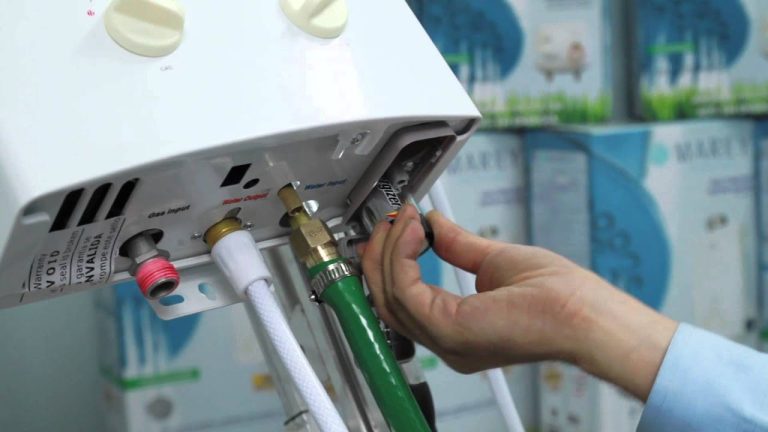

It’s 7 AM on a freezing January morning in New Jersey. You turn on your shower and… nothing. Or worse, lukewarm water when you expect hot. You’re standing there shivering, wondering: “Why is my water heater taking forever? What’s wrong?”
This happens more often in winter than any other season, and there’s a reason. Cold weather stresses your water heater in ways most homeowners don’t expect. The incoming groundwater is 20-30 degrees colder than it is in summer. Your water heater has to work significantly harder. And if something’s already wrong with the system, winter is when it breaks.
Let’s talk about how long your water heater should actually take to heat up, why it takes longer in winter, and what to do when something’s genuinely wrong.
The Baseline: How Long Should Water Take to Heat Up?
First, let’s establish normal. When everything is working properly, how long does a water heater take to heat up?
The answer depends on several factors, but the simple version is this: you should have hot water at your nearest faucet within 30-60 seconds after turning on the tap. If you’re at a faucet far from the water heater (upstairs in an older home, for example), it might take 1-2 minutes for hot water to reach you because the water has to travel through all the pipes. That’s normal and expected.
The water heater itself heats new water almost instantly once that water enters the tank. Modern water heaters (both gas and electric) are designed to recover quickly. A 40-gallon tank typically recovers from empty to full capacity in 30-45 minutes for gas units and 60-90 minutes for electric units. Recovery time means the time it takes to reheat an entire tank of water after it’s been depleted.
So when your shower suddenly runs cold, we need to distinguish between two different things: the time it takes for hot water to reach your tap (which is about the distance from the tank), versus the time it takes the heater to actually heat new water (which is the recovery time).
Winter Changes the Game Entirely
Here’s what most homeowners don’t realize: winter fundamentally changes how your water heater performs.
In summer, groundwater entering your home is typically 50-60 degrees Fahrenheit. Your water heater brings it up to about 120 degrees. That’s about a 60-degree temperature rise.
In winter in New Jersey, groundwater temperature drops to 35-45 degrees. In the coldest months (December through February), it can be even colder. Now your water heater needs to make a 75-85 degree temperature rise. That takes significantly more energy and more time.
A water heater that recovers in 45 minutes during summer might take 60-75 minutes during winter. A shower that refills hot water quickly in July might run cold sooner in January because the heater simply can’t keep up with the demand.
Add in the fact that winter is when people take longer, hotter showers (because it’s freezing outside), and you’ve got a perfect storm. Your heater is working harder, takes longer to recover, and everyone in the house is using more hot water.
If your water heater was marginal in summer—still working but not at peak efficiency—winter is when it fails. The extra stress reveals problems that were hiding.
Why No Hot Water Appears at All: Common Winter Causes
If you turn on a hot water tap and nothing hot comes out, that’s different from slow heating. Something’s actually broken. Here are the most common winter-specific causes.
The thermostat failed. Inside your water heater, a thermostat controls when the burner or heating element turns on. In winter, as the tank is under more stress and heating more aggressively, thermostats can fail. You’ll have no heat at all, or inconsistent heating. A new thermostat costs $200-400 for a professional to replace.
“The Department of Energy recommends setting water heater thermostats to 120°F for optimal efficiency and safety.”
The pilot light went out. For gas water heaters, the pilot light is a small flame that ignites the main burner. Cold, windy conditions in winter can sometimes blow out pilot lights, or the thermocouple (which tells the system the pilot is lit) can fail in cold weather. You can often relight a pilot light yourself if you follow your heater’s instructions. If it won’t stay lit, you need a professional.
The heating element burned out. For electric water heaters, the heating element (like a giant light bulb inside the tank) heats the water. Winter stress can cause a failing element to finally give up. If your electric heater suddenly produces no hot water and you hear no humming sound from the tank, the element is likely dead. Replacement costs $200-300.
The gas supply was reduced. Some utility companies reduce gas pressure during extreme cold snaps to meet demand. If you notice your water heater struggling but your stove burners are fine, contact your gas company. This is rare but happens during record-cold periods.
Ice in the vent pipe. For gas water heaters, the vent pipe removes exhaust gases. In some installations, if warm, moist exhaust meets extremely cold outdoor temperatures, ice can form inside the vent pipe. This prevents the heater from functioning. You’ll need a professional to safely clear this.
The check valve froze. Some water heater installations have a check valve in the water line to prevent backflow. In extreme cold, if exposed to outdoor temperatures, this can freeze. Symptoms include weak or no hot water flow. A professional can identify and fix this.
Sediment buildup accelerated by winter stress. As we discussed in the flush article, sediment blocks heat transfer. Winter stress makes this worse. If you haven’t flushed your heater in years, winter is when it finally fails from sediment buildup.
Slow Hot Water in Winter: When It’s Actually Just Cold Water
Before you panic about a broken heater, understand that sometimes “no hot water” is actually just a distance problem.
Your home’s water supply starts cold. That cold water travels through pipes before reaching your heater. Then, once it’s heated, it travels through more pipes to reach your tap. In a large home or if your water heater is far from certain faucets, you might wait 2-3 minutes for hot water to arrive.
In winter, the pipes themselves are colder (especially pipes in unheated areas like crawl spaces or exterior walls), so the water cools as it travels. You might actually get hot water from the heater, but it cools off traveling through those cold pipes.
Here’s how to tell if this is your problem: run hot water for a full minute from a faucet far from the water heater. Does the water temperature gradually increase? If so, the heater is working fine—you’re just experiencing pipe distance delay. This is normal and annoying but not a malfunction.
If the water stays cold even after running for 2-3 minutes, your heater isn’t actually producing hot water. That’s a real problem.
The Winter Rush: Why It Takes Longer During Cold Weather
Let’s say your heater is working fine, but you’re noticing it takes longer for hot water during winter. Here’s why that’s completely normal.
First, your water heater’s recovery time increases. As explained earlier, the temperature difference between incoming water and desired temperature is greater in winter. Heating water 80 degrees takes longer than heating it 60 degrees.
Second, everyone in your house is using hot water more in winter. Longer showers. More baths. Hand washing is more frequent in winter. Dishwasher and washing machine run more often. Your heater, which could barely keep up in summer, simply can’t keep up with winter demand.
Third, the pipes are colder. Hot water cools as it travels through cold pipes, so the heater has to heat water even hotter to compensate for that cooling loss during transit.
This combination means hot water takes noticeably longer to arrive in winter. It’s not broken; it’s just stressed. The solution is either reducing hot water usage (shower shorter, use cooler temperatures when possible) or upgrading to a larger unit or tankless system (expensive and probably not necessary).
When You Actually Need to Call a Plumber
How do you know if this is a real problem versus normal winter behavior? Here are the signs that something’s actually broken.
If you have absolutely zero hot water—the water is cold no matter how long you wait, no matter which faucet you use—something is wrong. This needs professional attention. Don’t assume it will fix itself. Call a plumber.
If you see water pooling or dripping around the base of your water heater, that’s a leak. The tank is failing internally. This needs immediate attention before the tank ruptures and floods your space.
If your heater is making strange noises—loud banging, hissing, or cracking sounds that are worse than normal—something inside is failing. Call a plumber.
If your thermostat is set correctly but water is inconsistently hot (sometimes scalding, sometimes lukewarm), the thermostat or heating element is likely failing. This needs professional diagnosis.
If you notice rust-colored water coming from hot water taps, your tank is corroding from the inside. The end is near. You’ll need replacement soon.
If your gas water heater’s pilot light won’t stay lit after multiple attempts to relight it, you need a professional. The thermocouple or gas valve is failing.
Troubleshooting Before You Call a Professional
If you’re experiencing slow hot water or no hot water, before you call a plumber, try these diagnostic steps. Many issues have simple fixes.
For gas water heaters:
Check that the gas valve is actually on. At the base of your water heater, there’s a dial valve for the gas supply. It should point parallel to the gas pipe (the “on” position). If it’s perpendicular, turn it parallel.
Verify the pilot light is lit. Look at your water heater (carefully—it’s hot) and check if the small blue flame is visible near the bottom. If not, your pilot light is out. Many heaters have instructions for relighting it mounted on the side. Follow those instructions carefully. If the pilot won’t stay lit after two attempts, call a professional.
Check for gas smell. A faint gas smell near a water heater is normal. But a strong smell means a gas leak. If you smell gas strongly, turn off the gas valve immediately and call your gas company or a plumber. Don’t wait.
Make sure nothing is blocking the vent. If your water heater’s vent pipe is clogged with lint, debris, or ice, it won’t work. Check where the vent exits your home. Make sure it’s not blocked.
For electric water heaters:
Check that the breaker is on. Go to your electrical panel and verify the breaker for your water heater is in the “on” position. If it’s tripped, flip it back on. If it trips again immediately, there’s an electrical problem—call a pro.
Listen for the heating element. Place your hand (carefully) on the side of the tank near the middle. Do you hear a humming sound when hot water should be heating? No humming means the element isn’t working.
Check the thermostat setting. It should be set to 120°F. If it’s set to the lowest setting or “vacation mode,” turn it up.
For all water heaters:
Flush the drain valve (or have it done). As discussed, sediment buildup is a major culprit. If you haven’t flushed in over a year, especially in winter, this could be your problem.
Check the temperature and pressure relief valve. There’s a valve near the top of your water heater that should have a small lever. Pull it slightly and listen for a brief hiss of pressure release, then push it back. If nothing happens, the valve might be stuck or failed. This needs professional attention.
Check for leaks around connections. Any water pooling or dripping near the tank’s base or around connections is a sign of failure. Take photos and call a professional.
The Real Problem: Your Water Heater Might Be Aging Out
Here’s the truth that makes winter difficult: most home water heaters are 8-12 years old when winter stress hits them hard. And most water heaters are designed to last 10-15 years.
If your heater was marginal during warm months, winter reveals that it’s failing. The heating system isn’t maintaining temperature like it used to. It takes longer to recover. It struggles with demand.
This is actually helpful information. Instead of a sudden, total failure, you get a warning. Your heater is telling you it’s getting tired.
If your water heater is over 8 years old and winter is giving you trouble, replacement might be the smarter move than repair. A repair might cost $300-500. A replacement costs $1,200-2,800. But a functioning new heater prevents winter emergencies, reduces energy bills, and comes with warranties.
This is especially true in New Jersey, where cold winters are long and predictable. If you know an old heater is struggling, replacing it before January is much better than dealing with no hot water in February.
Prevention: What You Can Do Right Now
If you want to avoid water heater problems this winter, here are preventive steps.
Flush your water heater if you haven’t in over a year. Sediment is your enemy, especially in winter. A $100-200 professional flush or a DIY flush using our complete guide can make a huge difference in performance and speed.
Insulate your water heater with a blanket. In winter, heat loss through the tank walls is significant. A $25-30 water heater blanket reduces energy loss and helps maintain temperature better in cold weather.
Insulate exposed hot water pipes. If you have hot water pipes running through unheated areas (basement, crawl space, attic), wrap them with foam insulation. This reduces cooling loss as water travels through pipes.
Lower your thermostat slightly if you can live with 115°F instead of 120°F. Every degree lower reduces energy consumption and stress in winter.
Reduce hot water demand where possible. Take shorter showers, use cooler water for washing hands, run full loads of dishes and laundry. Every gallon you conserve is less demand on your heater.
Have a professional inspection before winter. Before December hits, have a licensed plumber inspect your water heater for any warning signs. It costs $50-100 and can prevent winter emergencies.
New Jersey Specific: Winter Water Heater Reality
Living in New Jersey means dealing with real winters. December through February in North Jersey brings serious cold. If your water heater is questionable, winter will expose that.
Northern Jersey experiences longer, colder winters than most of the country. South Jersey gets some relief in late winter, but the heating season is still long. Winter water heater failures in Jersey are common enough that plumbers get booked weeks in advance once December hits.
If you’re scheduling a water heater replacement or major repair, do it in September or October. By November, plumbers are backlogged. If your heater fails on December 15th, you might wait a week for service.
This is also why fall flushing and maintenance are so important in Jersey. Those months (September, October) are your window to prepare your water heater for winter stress. By the time January arrives, it’s too late for preventive work—you can only do emergency repairs.
When to Replace vs. When to Repair
So your water heater is struggling in winter. Do you fix it or replace it?
If your heater is under 7 years old and the issue is minor (pilot light out, thermostat failed), repair makes sense. A $300-500 repair extends the life another 3-5 years.
If your heater is 8-12 years old and experiencing any significant issue, replacement often makes more sense. You’ll spend money on repair, and the heater will likely fail again soon. Better to invest in a new unit now on your terms rather than emergency-replace it in February without options.
If your heater is over 12 years old, it’s already on borrowed time. If it develops any problem in winter, replacement is the right call. The cost of repair plus the risk of sudden failure makes replacement the better investment.
Check your water heater’s age by looking at the manufacturer’s sticker. It usually has a serial number that indicates the year of manufacture. If you don’t know the age and can’t find it, a plumber can tell you in seconds.
Related Maintenance and Replacement Articles
Before winter gets worse, understand your options and timeline.
- Water Heater Replacement Cost in 2026 — Know your budget before you call
- How to Flush (and Drain) a Water Heater — Maintenance can improve winter performance
- How Long Does It Take to Replace a Water Heater? – What to Expect on Installation Day
The Bottom Line: Prepare Now for Winter
How long does a water heater take to heat up? Normally, 30-60 seconds at your tap, or 30-45 minutes for a full tank recovery on a gas unit. In winter in New Jersey, expect that to stretch to 60-90 minutes.
If your wait time is reasonable but extends in winter, that’s normal seasonal behavior. Your heater is stressed but working.
If you have no hot water at all, or if your heater is over 8 years old and struggling, don’t wait until it completely fails. Call a professional now, while plumbers still have availability. Winter emergencies are expensive, inconvenient, and avoidable with a little planning.
The time to address water heater issues is September through November. By December, you’re reacting rather than planning. Don’t be that person shivering in a cold shower on a freezing January morning, waiting a week for a plumber to arrive.
Professional Water Heater Service in New Jersey
If you’re noticing winter heating issues, slow hot water, or any of the warning signs mentioned here, don’t wait. Doctor Water Heater specializes in winter water heater problems across New Jersey. We handle emergency repairs, replacements, and preventive maintenance before winter hits.
We’re available 24/7 for emergencies, and we understand the urgency when winter stress hits your water heater.
Don’t let winter catch you without hot water. Schedule your inspection or service now.